Discover the Art of Floral Layout: Tips From Professional Florists
Floral design is not simply an aesthetic undertaking; it is a nuanced art form grounded in principles such as equilibrium, proportion, and contrast. Expert flower shops use invaluable insights right into picking the ideal blossoms customized to details occasions, making certain that each setup resonates with its designated message.
Comprehending Floral Style Principles
Usually forgotten by newbie floral designers, recognizing the fundamental concepts of floral layout is crucial for creating aesthetically enticing plans (florist lockhart). These principles work as the structure upon which effective floral make-ups are constructed, ensuring harmony and equilibrium in each development
The key concepts include equilibrium, percentage, comparison, rhythm, and unity. Balance describes the distribution of visual weight within an arrangement, which can be in proportion or asymmetrical. Percentage entails the relationship in between the size of blossoms and the container, making sure that each element complements the others. Contrast, attained via differing colors, shapes, and appearances, includes passion and depth to the layout.

Rhythm guides the audience's eye through the setup, frequently completed by repeating shapes or shades. Lastly, unity makes certain that all parts of the layout interact cohesively, producing a feeling of completeness. By understanding these concepts, floral designers can raise their job, transforming easy arrangements into magnificent aesthetic statements.
Eventually, a solid understanding of these flower layout concepts not just enhances creative thinking yet also promotes a deeper admiration for the creativity associated with flower arrangements (florist lockhart). Through method and application, amateur florists can establish their skills and produce remarkable layouts
Choosing the Right Flowers
Selecting the suitable flowers is a crucial action in the flower layout procedure, straight influencing the overall aesthetic and effectiveness of the plan. To start, think about the celebration; various occasions ask for distinct flower types. Charming setups might profit from roses, while pleasant events may suit sunflowers or gerbera daisies.
Next, assess the color palette. Unified shades can evoke specific feelings and boost the aesthetic charm. Utilize a shade wheel to recognize corresponding or comparable color design that can create a cohesive appearance. In addition, take into consideration the season; seasonal blossoms not just ensure freshness but also often come with a reduced expense, making them a useful selection.
Another vital element is the designated long life of the plan. Some blossoms, such as chrysanthemums and carnations, have longer vase lives, while others, like peonies, might shrivel quicker. Last but not least, examine the size and shape of the blossoms in regard to your design goals. Larger blooms can act as focal factors, while smaller blossoms can complete spaces and wikipedia reference add appearance. By thoughtfully choosing flowers, you can create plans that reverberate with their desired purpose and target market.
Strategies for Setup
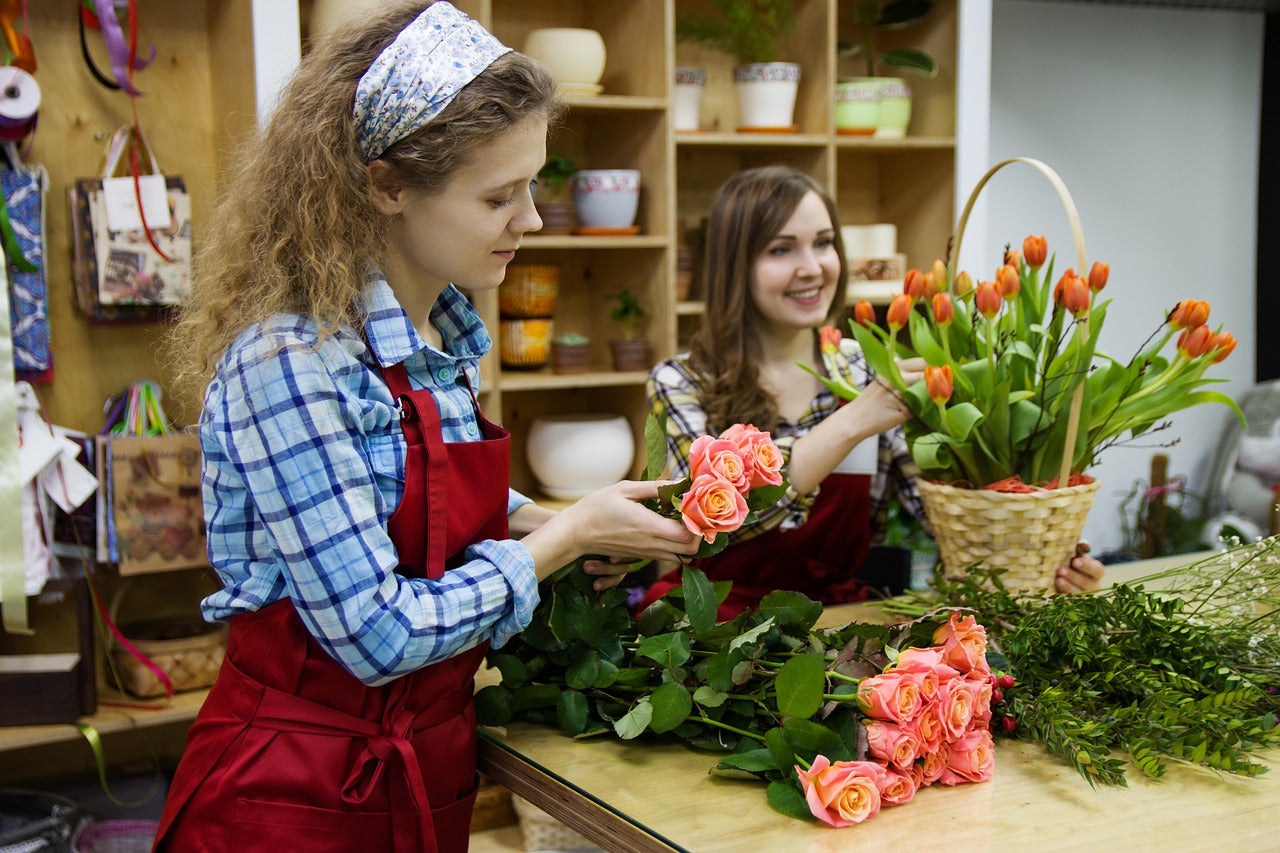
An additional reliable strategy is the "line design," which highlights pop over to these guys the all-natural lines and shapes of the flowers. By utilizing long-stemmed blooms, developers can produce a sense of motion and flow in the setup, drawing the eye along the lines produced by the stems. Additionally, including varying heights in the setup adds depth and interest, permitting the viewer to check out the item from different angles.
The "shade barring" method is also important, where colors are grouped together to produce bold aesthetic declarations. This approach can evoke certain emotions and set the mood of the plan. Don't forget the significance of unfavorable room; leaving voids within the setup permits for breathing room, enhancing the overall visual and stopping congestion. Mastery of these strategies will undoubtedly elevate your flower design skills.
Seasonal Floral Inspirations
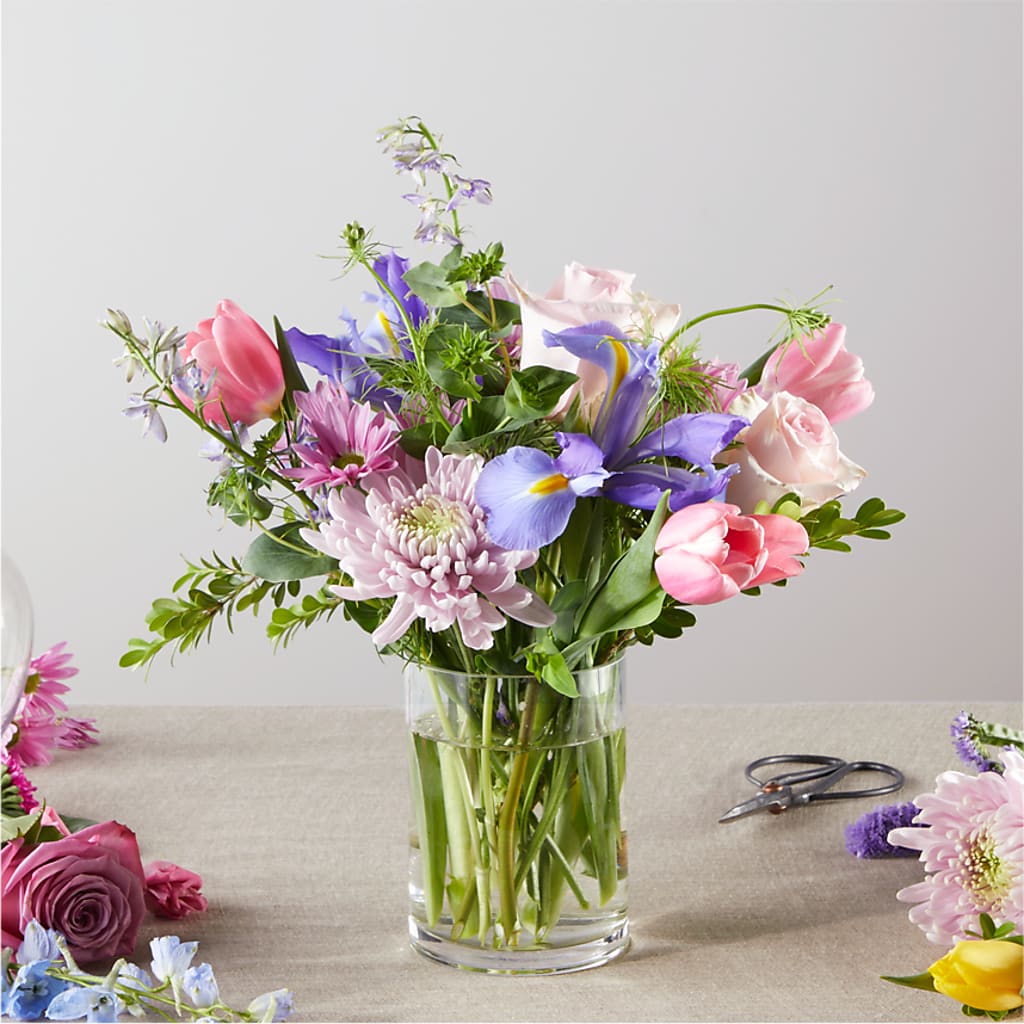
Integrating seasonal components right into flower designs can exceptionally enhance their allure and relevance. By lining up flower plans with the transforming periods, florists can stimulate specific moods, themes, and colors that resonate with clients and the atmosphere. Each period offers a distinct palette of blooms and vegetation that enables creative thinking and inspiration.
Fall's abundant tones can be captured through dahlias, chrysanthemums, and ornamental grasses, creating cozy, inviting arrangements that show the harvest. Winter months uses a tranquil aesthetic with evergreens, amaryllis, and seasonal berries, excellent for stimulating a sense of peace check my site and celebration.
Caring for Your Arrangements
Taking care of flower setups is vital to preserve their charm and durability. Proper treatment makes sure that your blossoms stay vibrant and fresh, improving the visual charm of your space. Beginning by putting your plan in an amazing location, away from straight sunlight and drafts, as severe temperature levels can cause wilting and staining.
Consistently inspect the water level in the vase, guaranteeing it is adequate to cover the stems sufficiently. Change the water every few days to stop microbial growth, which can shorten the life-span of your arrangement. When transforming the water, trim the stems at an angle to assist in better water absorption. Get rid of any bent or browning leaves and flowers promptly to stop degeneration from spreading.
Furthermore, consider the kind of blossoms in your arrangement; some may require particular care. Prevent putting your setups near ripening fruit, as ethylene gas can increase wilting.
Final Thought
Finally, understanding the art of floral layout includes a comprehensive understanding of fundamental principles, mindful selection of blossoms, and the application of effective setup techniques. Seasonal ideas further boost creativity, while correct care makes certain that floral display screens preserve their elegance and durability. By incorporating these aspects, people can produce impactful arrangements that communicate feeling and offer their desired purpose, eventually improving the experience of both the creator and the recipient.